
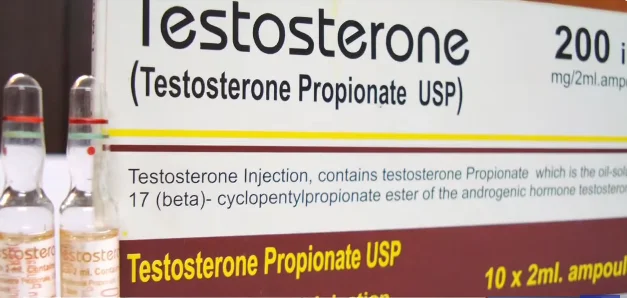
US Government Proposes New Testosterone Therapy Label Changes
The US Department of Health and Human Services (HHS) has announced plans to update the warning labels on testosterone replacement therapy (TRT) products after reviewing the latest scientific evidence on their safety and effectiveness.
If approved, these changes could make testosterone therapy more accessible for millions of American men suffering from clinically low testosterone levels while providing doctors and patients with more accurate medical information.
However, health experts stress that testosterone therapy is still a prescription medical treatment and should only be used after proper diagnosis and medical supervision.
Why the Government Wants to Update Testosterone Therapy Labels
According to HHS, scientific research over the past several years has significantly improved our understanding of testosterone replacement therapy.
The agency is requesting several important changes to existing product labels, including:
- Removing statements claiming that testosterone therapy has not been proven safe or effective for age-related low testosterone.
- Updating information regarding prostate cancer risks.
- Revising warnings related to enlarged prostate conditions.
- Providing doctors and patients with clearer guidance based on current evidence.
HHS Secretary Robert F. Kennedy Jr. said the goal is to ensure that medical decisions are based on the latest research rather than outdated concerns.
“By updating testosterone therapy labels to reflect current evidence, we are giving patients and physicians clearer information, supporting informed medical decisions, and improving care for millions of American men.”
What Is Testosterone Replacement Therapy?
Testosterone replacement therapy is a medical treatment designed for men whose bodies produce abnormally low levels of testosterone.
Treatment may include:
- Daily gels
- Skin patches
- Injections
- Pellets placed under the skin
Doctors typically prescribe TRT to relieve symptoms such as:
- Low sex drive
- Persistent fatigue
- Erectile difficulties
- Reduced muscle mass
- Low mood
- Decreased bone strength
The therapy is intended for men with medically confirmed testosterone deficiency rather than those simply seeking improved fitness or performance.
Experts Say Proper Diagnosis Is Still Essential
Despite the proposed label changes, specialists warn that testosterone therapy should never become a routine wellness treatment.
Dr. Jamin Brahmbhatt, a urologist and men’s health expert, believes the updated guidance reflects modern science but says patients should remain cautious.
According to him:
- Testosterone is a medical therapy, not a lifestyle supplement.
- Every patient should receive a complete medical evaluation.
- Doctors should continue following strict prescribing guidelines.
- Ongoing monitoring remains essential throughout treatment.
He also hopes that clearer labels may encourage insurance providers to cover treatment for patients who genuinely need it.
New Research Reduces Concerns About Heart Risks
One of the biggest controversies surrounding testosterone therapy has been its possible link to heart attacks and strokes.
Previous FDA Warning
In 2015, the US Food and Drug Administration required manufacturers to include warnings stating that testosterone therapy had not been proven safe or effective for certain men with low testosterone.
Those warnings were introduced because evidence was limited and researchers were concerned about possible cardiovascular risks.
What New Studies Show
Since then, multiple studies have been completed.
One of the largest clinical trials followed more than 5,200 men receiving testosterone replacement therapy.
The findings showed no meaningful increase in major cardiovascular events, including:
- Heart attacks
- Strokes
- Serious heart-related complications
These results have played a major role in HHS requesting updated product labels.
Updated View on Prostate Cancer Risk
Another long-standing concern has been whether testosterone therapy increases the risk of prostate cancer.
Current Warning Labels
Existing labels generally recommend avoiding testosterone therapy in men who have:
- Known prostate cancer
- Suspected prostate cancer
- A history of prostate cancer
They also warn that treatment could increase the risk of developing the disease.
Latest Scientific Evidence
According to HHS, more recent research has not found evidence that testosterone replacement therapy generally increases prostate cancer risk.
Under the proposed revisions:
- Testosterone therapy would mainly be discouraged for men whose prostate cancer has spread (metastatic prostate cancer).
- The broad warning against all men with a history of prostate cancer would be significantly narrowed.
Experts describe this as one of the most important updates in the proposed changes.
What About Enlarged Prostate?
Many testosterone therapy products currently warn that treatment may worsen symptoms of benign enlarged prostate.
However, a recent FDA review found:
Men with mild to moderate enlargement
- No evidence that testosterone therapy worsens symptoms.
Men with severe enlargement
- Evidence remains limited.
- Doctors should continue careful monitoring throughout treatment.
This balanced approach aims to protect higher-risk patients while removing unnecessary concerns for others.
Cardiologists Welcome the New Evidence
Dr. Eddie Hackler III, a cardiologist and author of Follow Your Heart, believes the proposed changes reduce unnecessary fear surrounding testosterone replacement therapy.
According to him, properly prescribed TRT offers several proven benefits:
- Improved libido
- Better sexual function
- Correction of anaemia
- Improved mood
- Increased energy levels
He also notes that the best available randomised clinical trial data show no increased risk of:
- Heart attacks
- Strokes
- Prostate cancer
Possible Side Effects Still Exist
Although newer research is reassuring, testosterone therapy is not risk-free.
Potential side effects may include:
- Skin irritation
- Acne
- Enlargement of male breast tissue
- Blood clots (pulmonary embolism)
- Irregular heart rhythms
- Reduced sperm production
- Slight increase in blood pressure
These risks highlight the importance of ongoing medical supervision.
Experts Say the Update Is “A Long Time Coming”
Dr. Adam Baumgarten, Associate Professor in the Department of Urology at the University of Alabama at Birmingham, believes the changes reflect years of accumulating scientific evidence.
According to him, three key messages stand out:
1. Heart safety concerns have eased
Randomised clinical trials no longer support the widespread belief that testosterone therapy significantly increases cardiovascular risk.
2. Prostate cancer warnings are becoming more specific
Instead of discouraging therapy for all men with a prostate cancer history, the focus is shifting toward metastatic disease.
3. Careful diagnosis remains essential
Doctors should only prescribe testosterone after confirming:
- Symptoms consistent with testosterone deficiency
- Consistently low testosterone levels through laboratory testing
- Appropriate follow-up monitoring
What Is Considered Low Testosterone?
Healthcare providers generally consider testosterone levels below 300 nanograms per decilitre (ng/dL) of blood to be low.
However, experts point out that testosterone naturally changes with age and varies significantly between individuals.
Normal levels can range from approximately:
- 300 ng/dL
- More than 800 ng/dL
depending on laboratory standards and medical guidelines.
Why Doctors Usually Test Twice
Dr. Brahmbhatt says he only considers testosterone therapy after:
- Two separate morning blood tests
- Laboratory confirmation of low testosterone
- Symptoms that match hormone deficiency
These symptoms may include:
- Reduced sex drive
- Chronic tiredness
- Erectile problems
- Loss of muscle mass
- Low mood
Morning testing is preferred because testosterone naturally reaches its highest level early in the day.
Not Every Man Needs Testosterone Therapy
Medical specialists caution that testosterone therapy should not be viewed as a shortcut to better health or improved fitness.
Men influenced by social media or online wellness trends may seek TRT despite already having normal hormone levels.
For these individuals:
- Benefits may be minimal.
- Risks may outweigh potential improvements.
- Natural testosterone production and sperm count could decline.
Experts agree that testosterone replacement therapy offers significant benefits for men with genuine hormone deficiency but should never be used without proper medical evaluation.
Key Takeaways
- HHS has requested updates to testosterone therapy labels based on newer scientific evidence.
- Research shows no meaningful increase in heart attack or stroke risk among appropriately treated men.
- Warnings regarding prostate cancer and enlarged prostate may become less restrictive.
- Testosterone therapy remains a prescription medical treatment requiring proper diagnosis and monitoring.
- Doctors recommend confirming low testosterone through repeated morning blood tests before beginning therapy.
Sources
- US Department of Health and Human Services (HHS)
- US Food and Drug Administration (FDA)
- Expert commentary from Dr. Jamin Brahmbhatt, Dr. Eddie Hackler III, and Dr. Adam Baumgarten
- Large clinical studies involving more than 5,200 men receiving testosterone replacement therapy
For Health & Fitness Products, Click => http://tinyurl.com/5n872ptd